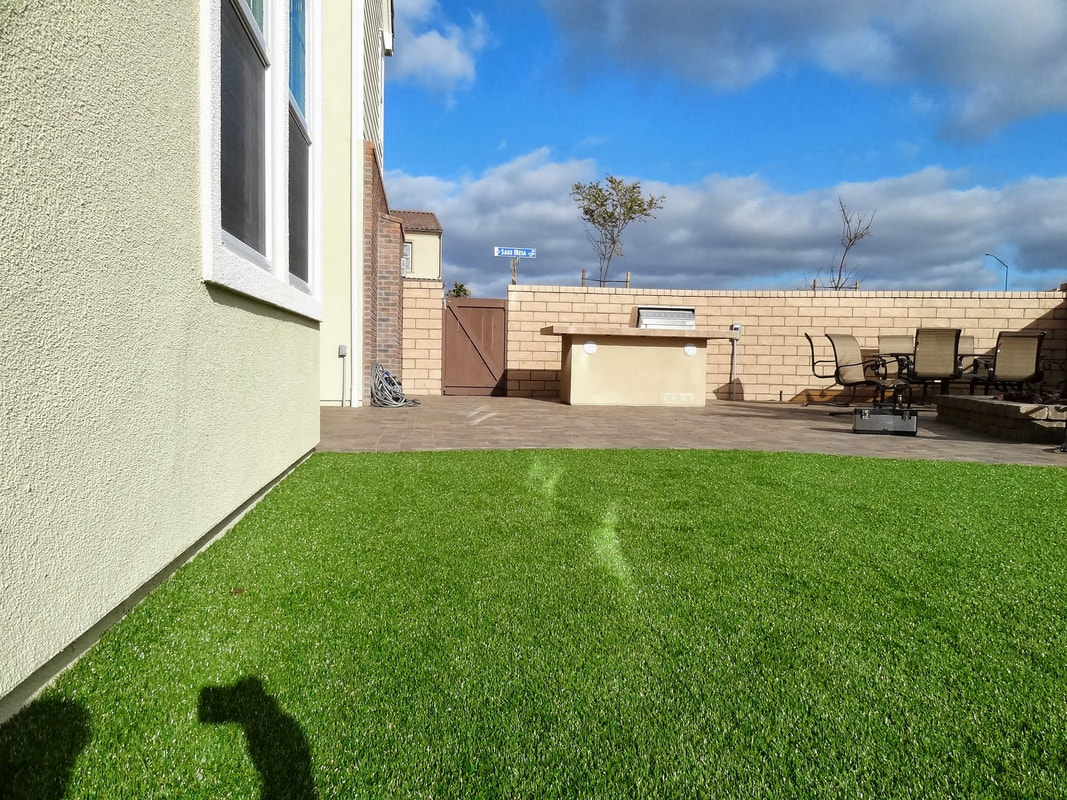
Turf burn is a painful injury that may occur while playing sports on artificial turf, particularly if sliding or falling. Skin abrasions may appear on various parts of the body including the elbow, knee, wrist, palm, forearm, chin, and chest.
Prompt cleaning of wounds is necessary to prevent infection. Utilizing an antibiotic ointment and covering the wound with a breathable bandage is preferred.
Please clean the wound.
While you are on the field, your primary focus is on blocking a go or chasing down a new player to tackle him. Therefore, you may not always be alert to how rough and abrasive artificial turf could be. Contact with friction while falling on the turf can lead to painful skin abrasions commonly known as turf burn. Turf burn is considered to be more severe than minor scrapes and scratches as it causes removing a layer of skin. If not treated, a personal injury or wound may become infected and serve as a gateway for bacteria, such as staph, to spread to the areas of the body. This may bring about complications like bloodstream or bone infections.
It is crucial to completely clean a turf burn wound as dirt, debris, or sand from the turf can contaminate the open wound and cause an infection. To clean the abrasion, it is recommended to wash it with water or perhaps a saline solution. Gently rinse the area to eliminate any remaining dirt. In the event of bleeding, it is suggested to use firm pressure and rinse the wound until the bleeding stops. Afterwards, delicately dab it with a brand new towel to remove any excess moisture.
Afterward, gently apply a thin layer of antibiotic ointment onto the abrasion. In case you don't have access to antibiotic ointment, aloe vera can serve as a suitable alternative because of its natural antiseptic properties that may facilitate the healing up process. Finally, apply a clean bandage to cover the abrasion. To prevent infection and promote healing, it is recommended to follow the routine of cleaning, applying ointment, and bandaging every day.
Apply antibiotic ointment.
how to help turf burn is a type of injury occurring when the skin comes into contact with artificial turf and experiences friction. Wearing the lens can cause painful red abrasions, that may result in severe health issues such as staph infections (methicillin-resistant Staphylococcus aureus) and sepsis. signs of infected turf burn are commonly seen in athletes who take part in sports, especially football and soccer. Other collegiate or professional athletes, including cheerleaders, who expose their arms and legs to the risk of sliding on the turf, may also experience these injuries.
If an athlete has turf burn, it is very important wash the wound immediately with water and saline solution. This can help to reduce any dirt, grit, or sand which could have grown to be stuck to your skin. Once the wound has been cleaned, you should apply a fresh dressing and firmly press it onto the wound to avoid any bleeding. If the wound is not too sensitive to touch, it is possible to apply antibiotic ointment to prevent infection.
Individuals who take part in sports are at a higher threat of contracting infections through skin abrasions as a result of heightened physical contact and the utilization of communal equipment. Furthermore, these abrasions can serve as entry points for germs, such as for example staph, which can flourish in the presence of dirt and bacteria. It is crucial to promptly treat any injury and monitor the affected area for early signs of infection, such as for example extreme pain or pus, to prevent the condition from worsening.
Apply aloe vera.
Turf burn can be a highly painful injury that has the potential to cause infection. Treating turf burn promptly with a basic first aid kit is crucial. If not treated, turf burn infection can result in severe complications. It is very important to safeguard the wound from additional friction as it could exacerbate the injury. Applying products like Body Glide, which create a protective layer on your skin, can effectively minimize friction.
Friction between the body and astroturf, resulting from actions such as diving, sliding or falling, could cause turf injuries. Friction can result in abrasions, which have the potential to develop into open wounds. If how to get rid of turf burn are contaminated with bacteria, it can result in contamination because the bacteria can enter the body. Individuals who take part in sports are at a higher threat of contracting infections because of their increased probability of having skin abrasions and getting into connection with other players.
Turf burn is normally characterized by the current presence of a sore which has a raspberry-like color and may exhibit slight bleeding. The sore can cause a lot of pain and discomfort, and it may continue to sting even with receiving treatment. It is advisable to refrain from playing on astroturf until the wound has healed completely, as it may take several weeks for a turf burn to heal entirely.
Cleaning the wound is vital, but it could be challenging because of the intense pain due to the turf burn. Utilizing a clean and sanitized hand or cloth to completely clean the wound is vital. After cleaning, it is suggested to wash the area with plain water and then pat it dry with a clean cloth.
Please cover the wound.
Once the wound has been properly cleaned, it is crucial to promptly cover it to minimize the chance of infection. Utilizing a moisturizing dressing, such as hydrogel, is recommended to aid in the healing process of the turf burn. Hydrogel dressings are believed effective because of their capability to hydrate the wound, which in turn accelerates the healing process and alleviates pain.
how to get rid of turf burn is important never to touch the wound with your bare hands. This can increase the likelihood of bacteria entering and causing contamination. It is advisable to thoroughly wash the hands and, if possible, wear sterile gloves ahead of cleaning the wound.
Using a non-adhesive wound dressing is ideal when it comes to within the wound. Allowing your skin to breathe is essential, particularly when participating in physical exercise and perspiring. To maintain a moist and healthy abrasion, it really is advised to change the dressing every day.
Turf burn can typically heal within a few weeks, but it's imperative to refrain from participating in sports before injury has fully healed. Preventing reinjury to the affected area will help to avoid prolonged recovery time. You should regularly inspect the injured area for any initial indications of infection, such as excessive redness or discharge of pus. It is very important to promptly get in touch with a doctor if you observe any early signs of infection.